
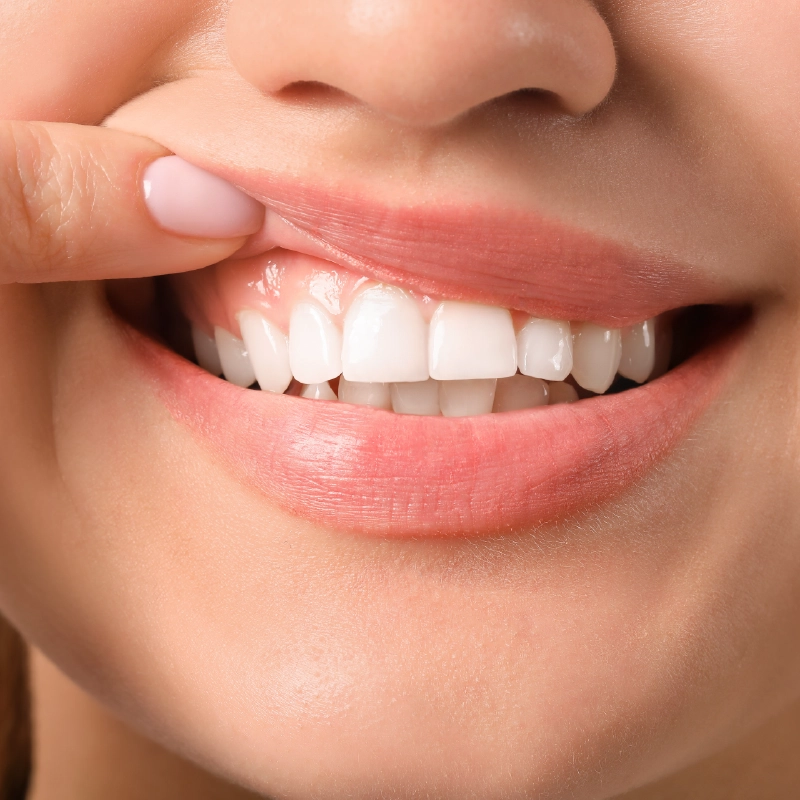
Strong teeth and healthy gums are essential for overall wellness, not just a bright smile. Oral health affects digestion, speech clarity, confidence, and even heart health. While professional dental care remains important, daily habits and natural lifestyle choices play a major role in maintaining strong teeth and resilient gums.
By supporting enamel strength, controlling bacteria, and improving gum circulation naturally, it is possible to reduce the risk of cavities, gum disease, and long-term oral complications.
Why Teeth and Gum Strength Matter
Teeth are protected by enamel, the hardest substance in the human body. However, enamel cannot regenerate once it is damaged. Gums protect the roots of teeth and support their stability. When gum tissue weakens, teeth can become loose or infected.
Healthy teeth and gums help:
- Prevent tooth decay
- Reduce sensitivity
- Maintain fresh breath
- Support proper chewing
- Protect jawbone structure
- Lower risk of systemic inflammation
Strengthening oral tissues naturally begins with nutrition, hygiene habits, and lifestyle consistency.
Eat Calcium-Rich Foods Daily
Calcium supports the structure of enamel and jawbones. Without enough calcium, teeth gradually weaken and become more vulnerable to decay.
Natural calcium-rich foods include:
- Milk and yogurt
- Cheese
- Almonds
- Sesame seeds
- Leafy green vegetables
- Tofu
- Sardines
Cheese is especially helpful because it raises mouth pH levels and reduces acid exposure on enamel.
Consistent calcium intake strengthens teeth over time and supports gum attachment to bone.
Increase Vitamin D Intake for Better Mineral Absorption
Vitamin D helps the body absorb calcium effectively. Even with a calcium-rich diet, low vitamin D levels can limit its benefits.
Natural sources of vitamin D include:
- Sunlight exposure
- Egg yolks
- Fatty fish such as salmon
- Mushrooms exposed to sunlight
- Fortified dairy products
Spending short periods outdoors daily can improve vitamin D levels and support stronger teeth naturally.
Strengthen Gums with Vitamin C
Vitamin C plays a key role in maintaining strong connective tissue, including gum tissue. A deficiency may increase gum bleeding, inflammation, and infection risk.
Foods rich in vitamin C include:
- Oranges
- Strawberries
- Bell peppers
- Kiwi
- Broccolini
- Tomatoes
Regular intake supports gum healing and improves resistance to bacteria.
Healthy gums protect tooth roots and prevent recession.
Drink More Water Throughout the Day
Water supports saliva production, which protects enamel and removes food particles from the mouth.
Saliva helps:
- Neutralize acids
- Prevent bacterial growth
- Strengthen enamel minerals
- Maintain moisture balance
Drinking water after meals naturally cleans the mouth and reduces cavity risk.
Fluoridated drinking water also strengthens enamel in many communities.
Brush Properly Using Gentle Technique
Brushing too aggressively can damage enamel and irritate gum tissue. A gentle brushing routine protects teeth more effectively than forceful scrubbing.
Healthy brushing habits include:
- Brushing twice daily
- Using a soft-bristled toothbrush
- Cleaning along the gumline carefully
- Brushing for at least two minutes
- Replacing toothbrushes regularly
Circular motions remove plaque while protecting sensitive tissues.
Consistency matters more than pressure.
Floss Daily to Protect Gum Health
Flossing removes debris that toothbrushes cannot reach. Plaque trapped between teeth often leads to gum inflammation if ignored.
Benefits of daily flossing include:
- Reduced gum bleeding
- Lower risk of cavities between teeth
- Fresher breath
- Improved gum attachment strength
Flossing supports long-term stability of both teeth and gums.
Limit Sugar Intake to Protect Enamel
Sugar feeds bacteria that produce acids harmful to enamel. Frequent sugar exposure increases cavity risk significantly.
Common hidden sugar sources include:
- Sweetened beverages
- Processed snacks
- Breakfast cereals
- Flavored yogurt
- Packaged sauces
Reducing sugar intake helps protect enamel from acid erosion.
When consuming sweets, rinsing the mouth afterward reduces harmful effects.
Choose Tooth-Friendly Crunchy Vegetables
Crunchy vegetables stimulate saliva production and naturally clean tooth surfaces.
Examples include:
- Carrots
- Celery
- Cucumbers
- Apples
These foods gently massage gums and help remove plaque buildup during chewing.
They also provide essential nutrients that support oral tissue repair.
Use Natural Antibacterial Foods
Certain foods help reduce harmful bacteria in the mouth.
Examples include:
- Green tea
- Garlic
- Ginger
- Cranberries
- Coconut oil
Green tea contains compounds that limit bacterial growth and support gum health.
Garlic contains natural antibacterial properties that help reduce oral infections.
Including these foods regularly supports healthier oral balance.
Practice Oil Pulling Carefully
Oil pulling involves swishing oil in the mouth to remove bacteria and support gum health.
Common oils used include:
- Coconut oil
- Sesame oil
This traditional practice may help reduce plaque levels and improve gum comfort when used alongside brushing and flossing.
Oil pulling should not replace regular dental hygiene but can complement it.
Avoid Tobacco Products Completely
Tobacco weakens gum tissue, slows healing, and increases the risk of oral infections.
Smoking is strongly linked to:
- Gum disease
- Tooth loss
- Delayed tissue repair
- Oral cancer risk
- Bone deterioration around teeth
Avoiding tobacco is one of the most effective ways to strengthen gum health naturally.
Support Oral Health with Probiotic Foods
Beneficial bacteria help maintain balance inside the mouth.
Probiotic-rich foods include:
- Yogurt with live cultures
- Kefir
- Sauerkraut
- Kimchi
These foods may help reduce harmful bacteria and improve gum condition over time.
Balanced oral bacteria support stronger teeth and fresher breath.
Protect Teeth from Night Grinding
Many people grind their teeth during sleep without realizing it. Grinding weakens enamel and strains gum tissues.
Common signs include:
- Jaw soreness
- Morning headaches
- Tooth sensitivity
- Flattened tooth edges
Reducing stress and improving sleep habits can help limit nighttime grinding.
If grinding continues, dental guidance may be necessary.
Maintain Healthy Saliva Production Naturally
Saliva plays a critical protective role in oral health.
Low saliva levels increase risk of:
- Cavities
- Gum irritation
- Bad breath
- Oral infections
Ways to support saliva production include:
- Drinking enough water
- Chewing sugar-free gum
- Eating fiber-rich foods
- Limiting caffeine intake
Proper hydration keeps the mouth naturally protected.
Visit a Dentist Regularly Even with Natural Care
Natural strategies strengthen teeth and gums, but professional monitoring remains essential.
Routine dental visits help:
- Detect early signs of decay
- Prevent gum disease progression
- Remove hardened plaque
- Monitor enamel condition
Combining natural habits with professional care produces the best results.
Daily Habits That Strengthen Teeth Over Time
Consistency creates lasting improvements in oral health.
Helpful everyday habits include:
- Brushing twice daily
- Flossing once daily
- Drinking water frequently
- Eating nutrient-rich foods
- Limiting sugary snacks
- Avoiding tobacco
- Managing stress levels
These simple practices support strong teeth and healthy gums throughout life.
Frequently Asked Questions
Can gums become strong again after weakening
Yes. With proper hygiene, improved nutrition, and reduced inflammation, gum tissue can become healthier and more resilient over time.
Does chewing sugar-free gum help strengthen teeth
Yes. Sugar-free gum increases saliva flow, which helps neutralize acids and protect enamel minerals.
Are herbal mouth rinses helpful for gum health
Some herbal rinses containing ingredients like chamomile or sage may support gum comfort and reduce mild irritation when used regularly.
Can dehydration affect tooth strength
Yes. Low hydration reduces saliva production, which increases the risk of cavities and gum irritation.
Is brushing after every meal necessary
Brushing twice daily is usually sufficient. However, rinsing with water after meals helps remove food particles and acids.
Do acidic fruits weaken enamel permanently
Frequent exposure to acidic foods may soften enamel temporarily. Rinsing the mouth with water afterward helps reduce damage risk.
Can stress affect gum health
Yes. Chronic stress can weaken immune response and increase inflammation, which may contribute to gum sensitivity and infection risk.
