
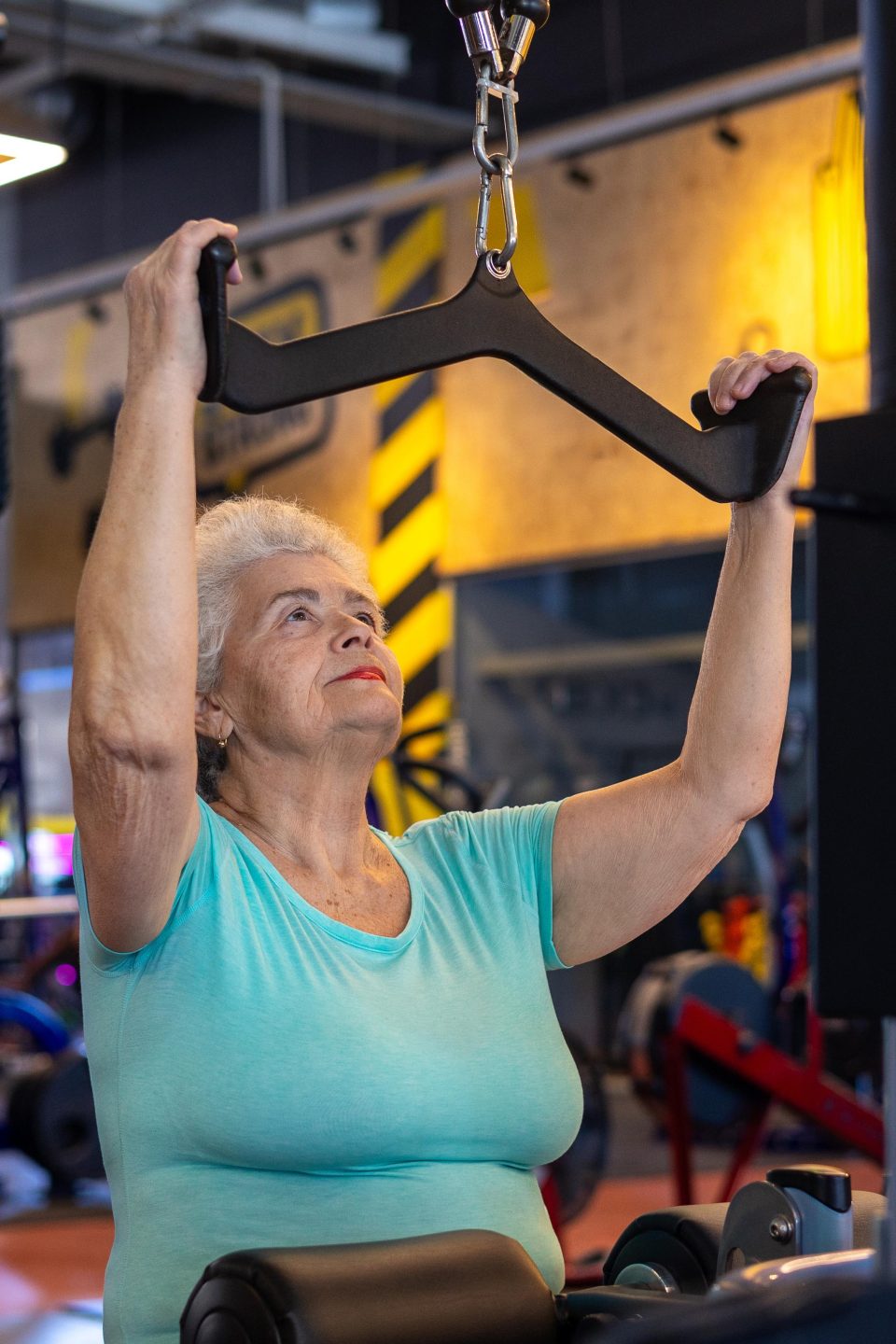
Healthy aging is strongly influenced by daily movement. While aging naturally brings physical changes such as reduced muscle mass, slower metabolism, and decreased flexibility, consistent exercise can slow many of these effects. A well-balanced fitness routine helps maintain strength, independence, mobility, and mental clarity throughout later life.
Exercise is not only about staying active. It supports heart health, improves bone density, strengthens joints, enhances mood, and reduces the risk of chronic disease. The right combination of movement patterns allows individuals to stay capable and confident as they age.
Why Fitness Becomes More Important With Age
As the body ages, muscle mass gradually declines and joint stiffness increases. Bone density may also decrease, raising the risk of fractures. Regular physical activity helps counter these changes and supports long-term mobility.
Consistent exercise supports:
- Stronger muscles
- Better balance
- Improved coordination
- Healthier joints
- Stable blood pressure
- Enhanced cognitive performance
- Reduced inflammation
A structured fitness routine helps maintain independence and quality of life.
Strength Training to Preserve Muscle Mass
Muscle naturally declines with age, but resistance exercises help maintain strength and support joint stability. Strength training also improves metabolism and reduces the risk of injury.
Effective strength exercises include:
- Bodyweight squats
- Wall pushups
- Resistance band pulls
- Light dumbbell lifts
- Step-ups
Training two to three times per week helps preserve muscle tissue and maintain posture.
Strength training also supports bone density, which becomes increasingly important with age.
Walking as a Foundation for Lifelong Mobility
Walking remains one of the safest and most effective exercises for healthy aging. It supports cardiovascular fitness while being gentle on joints.
Benefits of regular walking include:
- Improved circulation
- Stronger heart function
- Better mood stability
- Reduced stiffness
- Increased endurance
Walking outdoors also supports mental clarity and emotional balance.
Maintaining a daily walking routine helps preserve independence.
Balance Exercises to Prevent Falls
Balance tends to decline gradually with age. Improving stability reduces fall risk and strengthens confidence during movement.
Helpful balance exercises include:
- Standing on one foot
- Heel-to-toe walking
- Side leg raises
- Chair-supported balance holds
Practicing balance regularly improves coordination and strengthens stabilizing muscles.
These exercises are especially important for maintaining safety during everyday activities.
Flexibility Training for Joint Health
Flexibility supports smooth movement and reduces stiffness. Stretching helps maintain joint range of motion and prevents discomfort during daily tasks.
Effective stretching routines focus on:
- Hamstrings
- Hip flexors
- Shoulders
- Neck
- Lower back
Gentle stretching improves posture and reduces muscle tension.
Practicing flexibility exercises several times each week supports long-term mobility.
Core Strength for Stability and Posture
The core muscles support the spine and help maintain balance. Strong core muscles reduce strain on the lower back and improve overall movement efficiency.
Core strengthening exercises include:
- Seated knee lifts
- Modified planks
- Pelvic tilts
- Bird dog movements
Maintaining core strength improves walking stability and reduces fall risk.
A strong core supports everyday activities such as lifting, reaching, and bending.
Low-Impact Aerobic Exercise for Heart Health
Cardiovascular exercise supports circulation and oxygen delivery throughout the body. Low-impact options reduce stress on joints while still improving endurance.
Effective low-impact activities include:
- Swimming
- Cycling
- Elliptical training
- Water aerobics
- Brisk walking
These exercises strengthen the heart without excessive joint strain.
Consistent aerobic activity supports long-term cardiovascular wellness.
Stretching Routines That Support Healthy Aging
Stretching helps maintain flexibility and muscle comfort as the body changes over time. Regular stretching also improves circulation and posture.
Helpful stretching practices include:
- Morning mobility stretches
- Gentle yoga sequences
- Shoulder rolls
- Hip openers
- Calf stretches
Stretching improves comfort during movement and reduces injury risk.
Consistent routines support smoother daily motion.
Joint-Friendly Exercises That Reduce Pain Risk
Protecting joints becomes increasingly important with age. Low-impact movement helps maintain cartilage health and reduces stiffness.
Joint-supportive exercises include:
- Water-based workouts
- Cycling
- Resistance band exercises
- Controlled mobility drills
These exercises strengthen muscles without placing excessive pressure on joints.
Healthy joints support long-term independence.
Posture Exercises That Improve Daily Movement
Posture often changes gradually with age due to muscle imbalance and reduced flexibility. Strengthening posture muscles improves breathing and movement efficiency.
Helpful posture exercises include:
- Shoulder blade squeezes
- Chin tucks
- Wall posture holds
- Upper back strengthening
Improving posture reduces strain on the neck and spine.
Strong posture supports better balance and walking efficiency.
Breathing Exercises That Support Lung Function
Breathing capacity can decline gradually with age. Practicing controlled breathing exercises improves oxygen flow and relaxation.
Helpful breathing techniques include:
- Deep belly breathing
- Slow nasal breathing
- Rib expansion breathing
Improved breathing supports endurance and reduces stress levels.
Healthy breathing patterns also improve sleep quality.
Functional Fitness for Everyday Activities
Functional fitness focuses on movements that mimic daily tasks. These exercises improve coordination and reduce injury risk during normal activities.
Examples include:
- Sit-to-stand practice
- Carrying light objects
- Step training
- Reaching exercises
Functional movement training improves independence and confidence.
Practicing these exercises regularly supports long-term mobility.
Gentle Yoga for Flexibility and Mental Balance
Yoga combines stretching, breathing, and balance training. It supports both physical and emotional wellness.
Benefits of yoga include:
- Improved flexibility
- Reduced muscle stiffness
- Better posture
- Enhanced relaxation
- Improved concentration
Gentle yoga routines are especially effective for maintaining movement comfort.
Yoga also supports stress management during aging.
Resistance Band Training for Safe Strength Building
Resistance bands provide controlled strength training with minimal joint stress.
Benefits include:
- Improved muscle tone
- Increased flexibility
- Better coordination
- Reduced injury risk
Resistance bands are portable and adaptable for different ability levels.
They provide safe resistance without heavy equipment.
Weekly Fitness Routine Example for Healthy Aging
A balanced weekly routine may include different types of movement to support overall wellness.
Example structure:
- Walking three to five days per week
- Strength training two days per week
- Balance practice three days per week
- Stretching sessions daily
- Breathing exercises regularly
Consistency matters more than intensity when building long-term fitness habits.
Regular movement supports gradual and lasting improvements.
How Exercise Supports Brain Health During Aging
Physical activity improves circulation to the brain and supports memory function. It also reduces inflammation and supports mood regulation.
Exercise contributes to:
- Improved concentration
- Better memory performance
- Reduced stress levels
- Greater emotional stability
Movement supports mental clarity as well as physical strength.
Maintaining activity levels supports lifelong cognitive function.
Safety Tips for Starting a Fitness Routine Later in Life
Starting exercise at any age provides benefits, but safety remains important.
Helpful safety guidelines include:
- Begin with low-impact activities
- Increase intensity gradually
- Wear supportive footwear
- Stay hydrated
- Warm up before exercise
- Rest when needed
Listening to the body helps prevent injury and supports long-term consistency.
Long-Term Benefits of Fitness for Healthy Aging
Consistent exercise improves quality of life at every stage of aging.
Benefits include:
- Increased mobility
- Reduced fall risk
- Stronger bones
- Healthier heart function
- Better sleep quality
- Improved mood stability
- Greater independence
Fitness supports both physical resilience and emotional well-being over time.
Frequently Asked Questions
Is it too late to start exercising after age sixty
No. Starting exercise later in life still provides meaningful improvements in strength, balance, and cardiovascular health.
How long should older adults exercise each day
Many individuals benefit from about thirty minutes of moderate activity most days of the week, depending on personal ability levels.
Can exercise help reduce joint stiffness related to aging
Yes. Regular low-impact movement improves circulation around joints and helps maintain flexibility.
Are resistance bands safer than free weights for older adults
Resistance bands often provide safer and more controlled resistance, especially for beginners or individuals managing joint concerns.
Does exercise improve sleep quality in older adults
Yes. Regular physical activity supports deeper sleep and improves nighttime recovery.
Should stretching be done before or after exercise
Light dynamic stretching works well before activity, while deeper stretching is usually more effective after exercise.
Can balance exercises reduce fear of falling
Yes. Improving balance increases confidence during walking and everyday movement tasks.
