
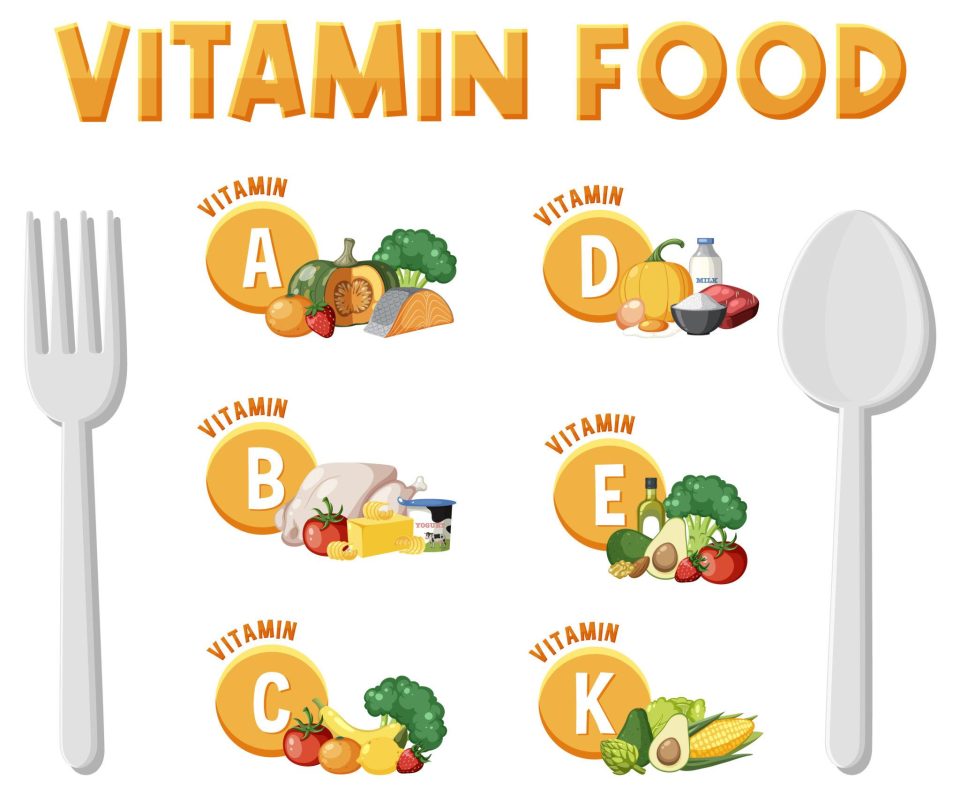
Vitamins are essential nutrients the body needs in small amounts to function properly. They support energy production, immune strength, brain performance, healthy skin, strong bones, and organ function. Because the body cannot produce most vitamins on its own, they must come from daily food choices.
Eating a variety of nutrient-dense foods is the most reliable way to maintain optimal vitamin intake. Understanding which foods provide specific vitamins helps build a balanced diet that supports long-term health.
Why Essential Vitamins Matter for Overall Health
Each vitamin plays a unique role in maintaining body systems. Some help convert food into energy, while others protect cells from damage or support tissue repair.
Adequate vitamin intake helps:
- Strengthen the immune system
- Support brain function
- Maintain healthy skin and vision
- Improve bone density
- Support heart health
- Enhance metabolism
- Reduce inflammation
Choosing whole foods rich in vitamins supports better absorption compared to relying only on supplements.
Vitamin A and Its Best Food Sources
Vitamin A supports vision, immune defense, and skin repair. It also helps maintain healthy organs such as the lungs and kidneys.
There are two primary types of vitamin A found in foods: preformed vitamin A from animal sources and provitamin A carotenoids from plant sources.
Top vitamin A food sources include:
- Carrots
- Sweet potatoes
- Spinach
- Kale
- Eggs
- Dairy products
- Liver
Orange and dark green vegetables are especially rich in beta-carotene, which the body converts into vitamin A.
Adequate intake supports eye health and protects against night vision problems.
Vitamin B Complex and Where to Find It Naturally
The vitamin B group includes several vitamins that help the body produce energy and support nerve function. These vitamins work together but each has specific benefits.
Important B vitamins include:
- B1 thiamine
- B2 riboflavin
- B3 niacin
- B5 pantothenic acid
- B6 pyridoxine
- B7 biotin
- B9 folate
- B12 cobalamin
Rich food sources of B vitamins include:
- Whole grains
- Eggs
- Milk
- Beans
- Lentils
- Leafy vegetables
- Poultry
- Fish
- Nuts
- Seeds
Vitamin B12 is primarily found in animal-based foods such as meat, fish, eggs, and dairy.
These vitamins help maintain brain function and support healthy red blood cell production.
Vitamin C and Foods That Provide Strong Immune Support
Vitamin C plays a critical role in immune defense and tissue repair. It also helps the body absorb iron more effectively.
Top vitamin C food sources include:
- Oranges
- Strawberries
- Kiwi
- Bell peppers
- Broccoli
- Tomatoes
- Pineapple
Fresh fruits and vegetables provide the highest vitamin C content when eaten raw or lightly cooked.
Vitamin C also supports collagen production, which helps maintain skin elasticity and joint health.
Vitamin D and Natural Dietary Sources
Vitamin D supports calcium absorption and bone strength. It also plays an important role in immune system balance and muscle performance.
Natural food sources of vitamin D include:
- Fatty fish such as salmon and tuna
- Egg yolks
- Mushrooms exposed to sunlight
- Fortified milk
- Fortified cereals
Sunlight exposure remains one of the most effective natural ways to maintain vitamin D levels.
Adequate vitamin D intake helps reduce the risk of bone weakness and fatigue.
Vitamin E and Its Role in Cell Protection
Vitamin E acts as a powerful antioxidant that protects cells from damage caused by free radicals.
Foods rich in vitamin E include:
- Almonds
- Sunflower seeds
- Spinach
- Avocados
- Hazelnuts
- Vegetable oils
Including healthy fats in meals improves vitamin E absorption because it is a fat-soluble vitamin.
Vitamin E supports skin health and immune strength.
Vitamin K and Foods That Support Blood Clotting and Bone Health
Vitamin K helps the body form blood clots properly and supports bone mineralization.
Two main types of vitamin K exist:
- Vitamin K1 from plant foods
- Vitamin K2 from animal and fermented foods
Common food sources include:
- Kale
- Spinach
- Broccoli
- Brussels sprouts
- Cabbage
- Cheese
- Fermented foods
Leafy greens are among the richest sources of vitamin K.
Adequate intake supports bone density and reduces bleeding risks.
Folate Rich Foods for Cell Growth and Development
Folate, also known as vitamin B9, plays a major role in cell production and DNA formation.
It is especially important during pregnancy and periods of rapid growth.
Foods high in folate include:
- Lentils
- Chickpeas
- Asparagus
- Spinach
- Avocados
- Citrus fruits
Regular folate intake supports heart health and helps maintain healthy blood cells.
Biotin Rich Foods for Hair, Skin, and Metabolism
Biotin supports energy metabolism and contributes to healthy hair and skin.
Natural food sources of biotin include:
- Eggs
- Nuts
- Seeds
- Sweet potatoes
- Bananas
- Salmon
Balanced intake supports nutrient processing and skin strength.
Biotin deficiency is uncommon when eating a varied diet.
Niacin Rich Foods That Support Energy Production
Niacin, also known as vitamin B3, supports nervous system function and helps convert food into energy.
Good dietary sources include:
- Chicken
- Tuna
- Turkey
- Brown rice
- Peanuts
- Mushrooms
Adequate niacin intake supports healthy cholesterol balance and brain performance.
Riboflavin Rich Foods for Cellular Function
Riboflavin helps maintain healthy skin and supports energy production at the cellular level.
Foods high in riboflavin include:
- Dairy products
- Eggs
- Almonds
- Spinach
- Lean meats
This vitamin also helps protect cells from oxidative stress.
Thiamine Rich Foods for Nervous System Health
Thiamine plays a vital role in nerve signaling and carbohydrate metabolism.
Natural sources include:
- Whole grains
- Pork
- Beans
- Seeds
- Nuts
Adequate intake supports memory and muscle coordination.
Pantothenic Acid Sources for Hormone Production
Pantothenic acid helps the body produce hormones and convert nutrients into energy.
Food sources include:
- Avocados
- Chicken
- Mushrooms
- Yogurt
- Sunflower seeds
This vitamin supports adrenal function and stress response balance.
Pyridoxine Rich Foods for Brain Development
Vitamin B6 supports neurotransmitter production and immune activity.
Common sources include:
- Bananas
- Chickpeas
- Potatoes
- Poultry
- Fortified cereals
Balanced intake helps regulate mood and metabolism.
Foods That Naturally Provide Multiple Essential Vitamins
Some foods contain a wide range of vitamins and provide strong nutritional support in one serving.
Examples include:
- Eggs
- Leafy greens
- Salmon
- Yogurt
- Nuts
- Seeds
- Whole grains
Including these foods regularly supports balanced vitamin intake.
Tips for Improving Vitamin Absorption from Food
Even nutrient-rich meals may not provide full benefits without proper absorption.
Simple strategies include:
- Eating healthy fats with fat-soluble vitamins
- Limiting overcooking vegetables
- Choosing fresh produce when possible
- Drinking enough water daily
- Maintaining balanced gut health
Small adjustments improve how efficiently the body uses vitamins.
Signs the Body May Need More Essential Vitamins
Vitamin deficiencies can develop gradually and affect multiple systems.
Common warning signs include:
- Fatigue
- Weak immunity
- Dry skin
- Hair thinning
- Muscle weakness
- Slow wound healing
- Difficulty concentrating
Responding early to these signals supports long-term wellness.
Frequently Asked Questions
Can cooking destroy vitamins in food
Yes. Some vitamins, especially vitamin C and certain B vitamins, can be reduced during prolonged cooking. Light steaming helps preserve nutrients.
Is it possible to get all vitamins from food alone
Yes. A balanced diet that includes fruits, vegetables, whole grains, proteins, and healthy fats can provide most essential vitamins.
Are frozen vegetables still good vitamin sources
Yes. Frozen vegetables are often preserved shortly after harvest and can retain strong nutritional value.
Do vitamin needs change with age
Yes. Nutrient requirements may increase with age due to changes in metabolism, bone density, and absorption efficiency.
Can stress affect vitamin levels in the body
Yes. Chronic stress may increase the body’s need for certain vitamins, especially B vitamins and vitamin C.
Does drinking too much coffee affect vitamin absorption
Excessive caffeine intake may interfere with absorption of some minerals and water-soluble vitamins when consumed in large amounts.
Are fortified foods helpful for meeting vitamin needs
Yes. Fortified foods can support nutrient intake, especially when dietary variety is limited.
