
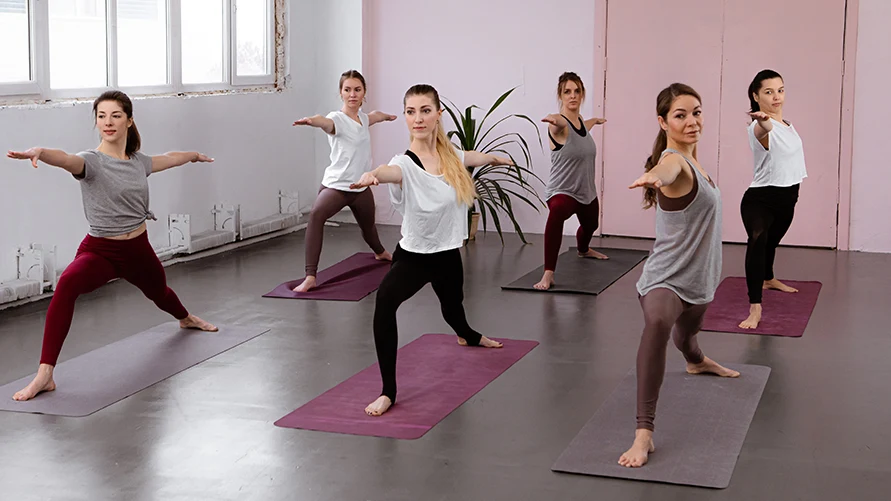
When people compare yoga places in Singapore, price and location are often the first details they notice. These factors matter, but they do not tell the whole story. A yoga practice becomes meaningful when the space, teaching quality, class structure and overall experience support long-term health. Wellness seekers in Singapore are becoming more discerning. They are not simply asking which studio is closest or cheapest. They are asking whether the environment feels calm, whether the teachers are attentive, whether class variety suits their needs and whether the practice can realistically fit into their lifestyle.
Why price alone can be misleading
A lower price may seem attractive at first, but value depends on the quality of the experience. If classes feel overcrowded, poorly guided or inconsistent, students may not return regularly. In that case, even a cheaper option may not support real progress. A higher price does not automatically guarantee better quality either. Students need to consider what is included in the experience. Clear instruction, thoughtful class planning, clean facilities and a supportive atmosphere all contribute to value. The best choice is not always the cheapest or the most premium. It is the place that helps the student practise safely and consistently.
Location matters, but routine matters more
Convenience is important because a studio that is difficult to reach may become hard to maintain. However, location should be considered alongside schedule and lifestyle. A studio near work may be useful for weekday classes. A studio near home may be better for weekends or evening practice. Wellness seekers should think about when they are most likely to attend. A beautiful space is not useful if the timing never fits. A practical routine is built from real behaviour, not ideal plans.
Teacher quality as a deciding factor
The teacher can shape the entire class experience. Good teachers offer clear instructions, safe alignment cues, pacing options and a tone that helps students feel focused. They understand that not every body moves the same way. When comparing studios, students should pay attention to how teachers guide different levels of ability. Do they offer variations? Do they explain the purpose of movements? Do they encourage awareness rather than performance? These details matter for both safety and confidence.
Signs of thoughtful instruction
A well-guided class often includes:
- Clear verbal cues
- Options for different mobility levels
- Attention to breath and pacing
- Safe transitions between postures
- Encouragement without pressure
- A balanced warm-up and closing sequence
These qualities help students trust the practice.
Class variety and personal goals
Different people come to yoga for different reasons. Some want stress relief. Some want mobility. Some want strength. Others want recovery from long workdays. A studio with varied classes can serve these changing needs more effectively. Class variety also keeps the routine interesting. Students are more likely to continue when they can adjust their practice according to energy level, mood and schedule. A strong wellness habit should have enough flexibility to survive real life.
The importance of atmosphere
The atmosphere of a yoga space affects how people feel before, during and after class. Lighting, cleanliness, sound, scent, spacing and reception experience all influence the nervous system. A rushed or cluttered environment can make it harder to settle. For many wellness seekers, the studio atmosphere is part of the reason they return. It gives them a place to pause from the city’s pace and reconnect with the body.
Safety and comfort in shared practice spaces
Yoga is personal, even in a group setting. Students need to feel comfortable enough to explore movement without judgement. The room should offer enough space, the teacher should respect different bodies and the class culture should not encourage comparison. Safety also includes hygiene, mat spacing, temperature management and clear communication. These operational details may seem small, but they shape trust.
How brand experience influences loyalty
A strong studio experience is consistent across touchpoints. The website, class descriptions, booking process, teacher interaction and physical space should all communicate the same level of care. When these details align, students feel more confident in their choice. A studio like Yoga Edition can appeal to wellness seekers who want a polished and focused environment where yoga feels like a serious part of self-care rather than a casual add-on.
Looking beyond first impressions
First impressions matter, but students should also consider how they feel after several classes. Do they feel supported? Do they understand their body better? Are they more likely to continue? Does the studio help them build a routine? A good yoga place should become more valuable over time. The first class may introduce the environment, but repeated practice reveals the true quality of instruction and community.
Choosing for long-term wellbeing
Comparing yoga places should not be treated like comparing simple products. Yoga is an experience that affects body, mind and lifestyle. Price and location are only entry points. The deeper decision is about trust, consistency and fit. For Singapore’s wellness seekers, the best choice is a place that supports safe movement, calmer breathing and regular practice. When these elements come together, yoga becomes more than a class on the calendar. It becomes part of a healthier way to live.
