
Gallstone disease is a frequent health concern across Thailand, affecting a wide demographic from working professionals to the elderly. A shift in local diets towards a higher consumption of cholesterol-rich and deep-fried foods has contributed to a rise in cases. Patients often suffer from sudden, severe abdominal pain, nausea, and bloating, which can disrupt daily life significantly. While lifestyle changes can help prevent formation, surgery remains the only permanent solution once symptomatic stones develop.
When diagnosing these issues, doctors carefully assess where the stones are located to determine the best course of action. If stones have migrated out of the gallbladder and into the common bile duct, a specialised ERCP procedure (known as ercp ส่องกล้องตรวจท่อน้ำดี in Thai) might be necessary to extract them before any other operation takes place. However, for stones that remain within the gallbladder itself, removing the organ entirely is the standard treatment to prevent future attacks and complications.
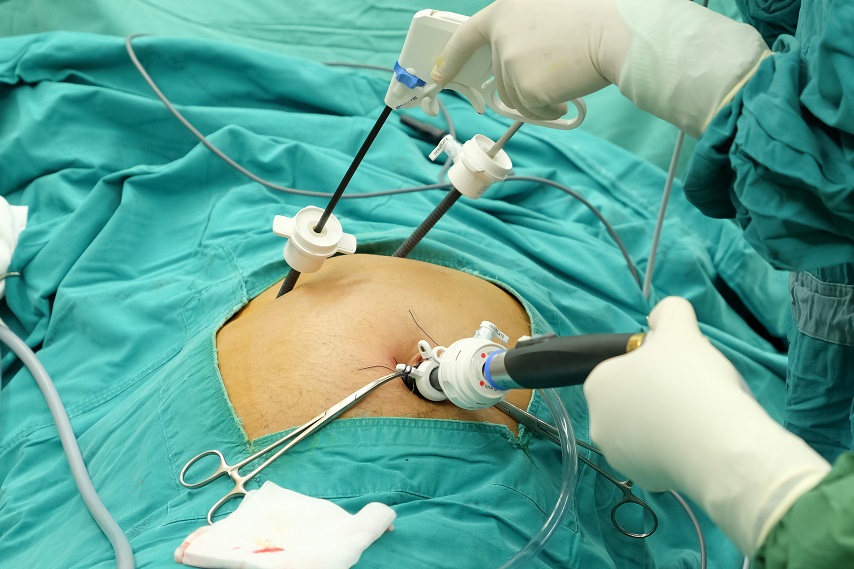
In the past, removing the gallbladder meant open surgery with a large incision across the abdomen. Today, laparoscopic cholecystectomy, commonly known as ‘keyhole surgery’, is the preferred method in most Thai hospitals. This modern approach involves using a small camera and specialised instruments inserted through tiny cuts. This technique offers distinct advantages over traditional open surgery, making the experience much easier and safer for the patient.
Substantially Reduced Recovery Time
The most immediate benefit for patients is the speed of recovery. Open surgery requires cutting through abdominal muscles, which leads to significant postoperative pain and a hospital stay that can last up to a week. In contrast, laparoscopic surgery creates minimal trauma to the body. Because the muscles are not severed, pain levels are drastically lower.
For people with busy schedules in Bangkok or other provinces, this is a major advantage. Most patients can walk around within hours of the operation and are often discharged from the hospital within 24 hours. Returning to work and normal daily activities typically takes only one week, compared to the four to six weeks required after open surgery.
Minimal Scarring and Better Aesthetics
Cosmetic outcomes are another strong reason patients prefer this method. Traditional surgery leaves a large, prominent scar that can be several inches long. Laparoscopic surgery involves three or four incisions that are usually less than one centimetre in length. These small cuts require very few stitches and heal rapidly. Once fully recovered, the scars are barely visible, fading significantly over time.
Lower Risk of Complications
Safety is the priority in any medical intervention. The smaller incisions used in laparoscopic surgery mean there is less exposure of internal tissues to the outside environment, which naturally lowers the risk of wound infections. Furthermore, the likelihood of developing an incisional hernia later is significantly reduced compared to open surgery. The precision of the camera allows surgeons to view the internal organs clearly on a monitor, ensuring a high level of accuracy throughout the operation.
By choosing this minimally invasive approach, patients can address painful gallstone symptoms effectively while ensuring a smooth and quick return to health.
